
New York’s Trusted Divorce Attorneys — Iniguez Law Group, PLLC
When your marriage ends, the attorney you choose can shape the outcome for years to come. Iniguez Law Group, PLLC has been protecting the rights of New York families since 1996. Lead attorney James E. Iniguez has earned Super Lawyer recognition every year from 2020 through 2025, a distinction awarded to fewer than five percent of attorneys in New York State.
The firm serves clients across Manhattan, Brooklyn, Queens, the Bronx, Staten Island, and surrounding counties. Call
212-406-4991 to schedule a confidential consultation. Find the firm on
Google.
New York Divorce Law: What You Need to Know

New York is an equitable distribution state, which means marital property is divided fairly but not necessarily 50/50. Before filing, either you or your spouse must satisfy residency requirements under New York’s Domestic Relations Law Section 230. Generally, this requires one year of continuous New York residency, or two years if neither party was married nor lived together in the state.
New York recognizes both no-fault and fault-based grounds for divorce. The most widely used no-fault ground is an irretrievable breakdown of the marriage for at least six months. Fault grounds may include cruel and inhuman treatment, abandonment, or imprisonment. Fault can sometimes influence maintenance or property decisions, so understanding which ground applies to your situation matters.
Contested vs. Uncontested Divorce in New York
Understanding which type of divorce applies to your situation is the first step in planning your case.
Uncontested Divorce
Both spouses agree on all issues
Typically resolves in 3–6 months
Generally lower cost
Contested Divorce
Spouses disagree on one or more issues
May take 1 year or longer
Court hearings, discovery, possible trial
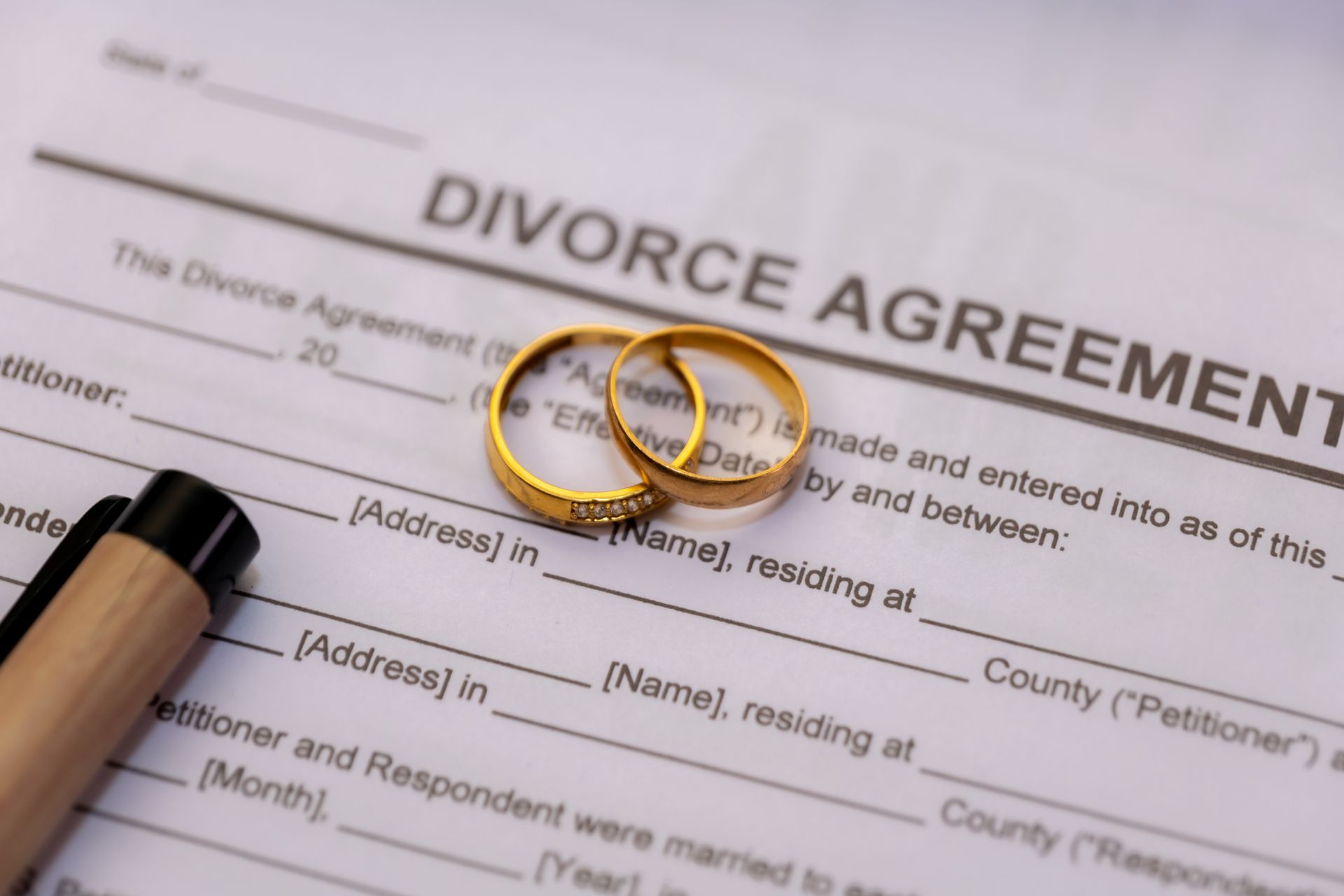
The New York Divorce Process: From Filing to Final Decree
Many clients come to us unsure of what to expect. Here is a plain-language overview of how a New York divorce typically unfolds:
• Step 1 — Consult with an Attorney: Understand your rights and options before filing anything.
• Step 2 — File a Summons with Notice or Summons and Complaint: This formally begins the case in Supreme Court.
• Step 3 — Serve Your Spouse: Your spouse must be legally served with the divorce papers.
• Step 4 — Response and Negotiation: In contested cases, both parties exchange financial disclosures and negotiate terms.
• Step 5 — Settlement or Trial: Most cases resolve through a negotiated settlement agreement. If not, the case proceeds to trial.
• Step 6 — Final Judgment of Divorce: The court signs the Judgment of Divorce, legally ending the marriage.
At Iniguez Law Group, PLLC, we guide you through each step so you are never left wondering what comes next.


Key Issues Handled in a New York Divorce
Equitable Distribution
New York courts divide marital assets based on fairness, not a strict 50/50 split. Factors include the length of the marriage, each spouse’s income and earning capacity, contributions to marital property (including non-financial contributions like homemaking), and economic circumstances. Separate property — assets owned before marriage or received as gifts or inheritance — generally remains with the original owner, provided it has not been commingled with marital funds.
Spousal Maintenance
Maintenance (alimony) may be awarded temporarily during the case or as a longer-term post-divorce arrangement. Courts consider the length of the marriage, the marital standard of living, each spouse’s earning potential and employability, and other equitable factors. New York’s maintenance guidelines provide a formula, but judges retain discretion to adjust based on circumstances.
Child Custody and Parental Access
All custody decisions are guided by the best interests of the child. Legal custody covers decision-making authority over education, healthcare, and religious upbringing. Physical custody determines where the child resides. New York courts favor arrangements that preserve the child’s relationship with both parents unless there are safety concerns. Parental access schedules are tailored to each family’s situation.
Child Support
Child support in New York is calculated under the Child Support Standards Act (CSSA), which applies a percentage of combined parental income to determine the basic support obligation: 17% for one child, 25% for two children, 29% for three, and so on. Additional expenses such as health insurance, childcare, and educational costs may be allocated proportionally between parents.
The Marital Home
Deciding what happens to the family home is often one of the most contested issues in a New York divorce. Courts may award the home to one spouse (with a buyout), order a sale with proceeds divided equitably, or temporarily assign occupancy to the custodial parent for the children’s stability. An experienced divorce attorney will help you understand the financial implications of each option.
How to Choose the Right Divorce Attorney in New York
The attorney you hire will influence not just the outcome of your case but your experience throughout one of the most stressful periods of your life. Here is what to look for:
• Proven family law experience: Look for an attorney who focuses on divorce and family law, not a generalist who handles it occasionally.
• Recognized credentials: Distinctions like Super Lawyer recognition (awarded to fewer than 5% of NY attorneys) reflect peer-reviewed achievement.
• Local court knowledge: Familiarity with New York’s Supreme Court procedures and local judges matters.
• Clear communication: Your attorney should explain your options in plain language and keep you informed at every stage.
• A record of results: Ask about the attorney’s track record in cases similar to yours.
James E. Iniguez meets all of these standards. With nearly three decades of experience and consistent Super Lawyer recognition since 2020, he brings deep New York family law expertise to every client relationship.

What to Expect When You Work With Iniguez Law Group

From your first call to the resolution of your case, here is how we approach every client relationship:
• Confidential consultation: We start by listening. Your initial consultation is a private, no-pressure opportunity to discuss your situation and understand your options.
• Honest case assessment: We give you a realistic picture of likely outcomes — not just what you want to hear.
• Strategic planning: Whether negotiation or litigation is the right path, we develop a strategy aligned with your goals.
• Responsive communication: We keep you informed throughout the process so you are never left wondering where things stand.
• Comprehensive support: Iniguez Law Group also handles child custody and parental access alongside divorce, so all related family law issues can be addressed under one roof.
Call
212-406-4991 to schedule your consultation today.
Frequently Asked Questions
How Long Does a Divorce Take in New York?
An uncontested divorce may finalize in three to six months. Contested cases, where spouses disagree on property, custody, or support, can take nine to eighteen months or longer depending on the complexity of the issues and court scheduling.
How Much Does a Divorce Attorney Cost?
Attorney fees vary based on the complexity of your case, whether it is contested or uncontested, and the issues involved. Fees are typically hourly or retainer-based. Call 212-406-4991 to discuss fee arrangements in a confidential consultation.
Do I Need an Attorney for an Uncontested Divorce?
You are not legally required to hire an attorney, but doing so helps protect your rights. Mistakes in uncontested divorce paperwork can have long-term financial consequences, especially when children, real property, retirement accounts, or business interests are involved.
How Is Property Divided in a New York Divorce?
New York follows the equitable distribution standard. Courts divide marital property fairly, taking into account the length of the marriage, each spouse’s income and contributions, economic circumstances, and other relevant factors. Equitable does not always mean equal.
What Happens to the House in a New York Divorce?
The marital home may be awarded to one spouse (often with a buyout of the other’s equity), sold with proceeds divided equitably, or temporarily assigned to the custodial parent for the benefit of the children. The court weighs financial circumstances, custody arrangements, and each party’s ability to maintain the property.
Can I get divorced in New York If My Spouse Lives in Another State?
Potentially yes, depending on whether you satisfy New York’s residency requirements under Domestic Relations Law Section 230. A New York divorce attorney can review your specific situation and determine whether filing in New York is appropriate.

Schedule Your Consultation Today
Iniguez Law Group, PLLC also handles child custody and parental access alongside divorce, so all related issues can be addressed together. Contact the firm to schedule your confidential consultation.